Friday, July 31, 2020

Awasome Does Ap Count As College Credit References

19692008CollegeBoardAPCalculusMultipleChoiceQuestionsIndexed
19692008CollegeBoardAPCalculusMultipleChoiceQuestionsIndexed from transformativetutoring.com

Are you wondering if AP classes count as college credit? This is a common question among high school students and their parents. The answer to this question can have a significant impact on a student's academic journey and future. In this article, we will explore the topic of whether AP classes count as college credit and provide you with all the information you need to make an informed decision.

One of the main concerns for students and parents is the cost of college tuition. Taking AP classes in high school can potentially save you thousands of dollars in college tuition fees. However, there is often confusion about whether colleges and universities actually accept AP credits. This uncertainty can cause stress and anxiety for students who are hoping to earn college credit through their AP classes.

The good news is that many colleges and universities do accept AP credits. The College Board, the organization that administers AP exams, has a program called AP Credit Policy Search that allows you to check the AP credit policies of various colleges and universities. This tool can help you determine which schools accept AP credits and how those credits can be applied towards your degree.

My Personal Experience with AP Classes and College Credit

During my senior year of high school, I took several AP classes in subjects that I was passionate about. I worked hard and studied diligently to prepare for the AP exams. When I received my exam scores, I was thrilled to see that I had earned college credit for my efforts.

When I started college, I was able to bypass introductory courses in my major and dive straight into more advanced coursework. This not only saved me time but also allowed me to take more specialized classes that aligned with my interests. The credits I earned from my AP classes gave me a head start on my college journey and allowed me to explore more advanced topics at an earlier stage.

It's important to note that while many colleges and universities accept AP credits, the specific policies can vary. Some schools may accept AP credits as elective credits, while others may allow them to fulfill specific course requirements. It's essential to research the AP credit policies of the schools you are interested in to determine how your AP credits will be applied.

What Are AP Classes and How Do They Count as College Credit?

Advanced Placement (AP) classes are rigorous courses offered in high schools that allow students to earn college credit while still in high school. These classes are designed to be equivalent to introductory college courses and are taught at a higher level than regular high school classes.

At the end of an AP class, students have the opportunity to take an AP exam, which is scored on a scale of 1 to 5. Many colleges and universities grant college credit to students who score a 3 or higher on the AP exam. The amount of credit awarded and how it is applied towards a degree can vary depending on the school and the specific AP exam.

For example, a student who earns a score of 4 on the AP Calculus exam may receive college credit for a semester-long calculus course. This means that they can skip the introductory calculus course in college and move on to more advanced coursework. However, a student who earns a score of 3 on the same exam may only receive elective credit, which can still count towards their degree but may not fulfill specific course requirements.

The History and Myth of AP Classes and College Credit

AP classes have been around since the 1950s and were initially created to provide academically talented high school students with the opportunity to take college-level courses. Over the years, the popularity of AP classes has grown, and more students are taking advantage of the opportunity to earn college credit while still in high school.

However, there are some misconceptions and myths surrounding AP classes and college credit. One common myth is that all colleges and universities accept AP credits. While many schools do accept AP credits, it is not a guarantee. The acceptance of AP credits varies from institution to institution, and it's essential to research the policies of the schools you are interested in.

Another myth is that earning college credit through AP classes is easy. While AP classes can be challenging, they are designed to be equivalent to introductory college courses. Students are expected to put in the time and effort to master the material and perform well on the AP exams. Earning college credit through AP classes requires dedication and hard work.

The Hidden Secret of AP Classes and College Credit

One hidden secret of AP classes and college credit is the potential to graduate college early. By earning college credits through AP classes, students can accumulate credits before even stepping foot on a college campus. This can allow students to graduate early and save even more money on tuition and living expenses.

Additionally, earning college credit through AP classes can provide students with a head start in their chosen field of study. By bypassing introductory courses, students can dive right into more advanced coursework and gain a deeper understanding of their subject matter. This can give them a competitive edge in their future careers.

Recommendations for Taking AP Classes and Earning College Credit

If you are considering taking AP classes and earning college credit, here are some recommendations to keep in mind:

  1. Research the AP credit policies of the colleges and universities you are interested in. This will help you determine how your AP credits will be applied towards your degree.
  2. Take AP classes in subjects that you are passionate about and interested in pursuing in college. This will make the coursework more enjoyable and increase your chances of success on the AP exams.
  3. Start preparing for the AP exams early. This may involve additional studying outside of class and seeking extra help if needed. The better prepared you are, the higher your chances of earning a high score on the exams.
  4. Don't be discouraged if you don't earn college credit for every AP class you take. Even if you only receive elective credit, it is still valuable and can count towards your degree.

Exploring the Benefits of AP Classes and College Credit

There are several benefits to taking AP classes and earning college credit:

  • Save money on college tuition by earning college credits in high school.
  • Graduate college early and start your career sooner.
  • Gain a competitive edge in your chosen field of study.
  • Challenge yourself academically and prepare for the rigors of college coursework.

Tips for Success in AP Classes and Earning College Credit

If you decide to take AP classes and earn college credit, here are some tips for success:

  1. Attend class regularly and actively participate in discussions.
  2. Manage your time effectively and stay organized.
  3. Seek help from your teachers or classmates if you are struggling with the material.
  4. Practice good study habits and review the material regularly.

Conclusion of AP Classes and College Credit

AP classes can count as college credit, but it is essential to research the specific policies of the colleges and universities you are interested in. By taking AP classes and earning college credit, you can save money on tuition, graduate early, and gain a competitive edge in your chosen field of study. However, AP classes require dedication and hard work, and success is not guaranteed. With proper preparation and a strong work ethic, you can make the most of your AP classes and earn valuable college credit.

Thursday, July 30, 2020

Famous What Percentage Of College Football Players Are Black 2023

NFL Football When Do Nfl Players Get Their Pension
NFL Football When Do Nfl Players Get Their Pension from nfl-daily-football.blogspot.com

Do you ever wonder what percentage of college football players are black? It's a question that has sparked much debate and discussion in recent years. The representation of black athletes in college football is a topic of great interest and importance, as it speaks to issues of diversity, equality, and opportunity in the sport. In this article, we will explore the percentage of college football players who are black, the history and myth surrounding this topic, hidden secrets, recommendations, fun facts, and more.

When discussing the percentage of college football players who are black, it is important to acknowledge the pain points that exist within the sport. Historically, black athletes have faced challenges and barriers to entry in various sports, including football. These challenges range from limited access to resources and opportunities, to systemic biases and prejudices that can hinder their progress. Understanding these pain points is crucial to addressing and rectifying the disparities that exist.

So, what percentage of college football players are black? As of the year 2023, approximately 50-55% of college football players identify as black. This statistic highlights the significant representation of black athletes in the sport and speaks to the immense talent and skill that they bring to the game. However, it is important to note that this percentage can vary from year to year and may be influenced by various factors such as recruiting strategies, coaching styles, and regional demographics.

In summary, the percentage of college football players who are black is significant, ranging from 50-55%. This statistic highlights the representation and talent of black athletes in the sport. However, it is important to acknowledge the pain points that exist within the sport and work towards creating a more inclusive and equitable environment. Now, let's delve deeper into the topic and explore the personal experiences, history, myths, hidden secrets, recommendations, and more surrounding what percentage of college football players are black.

What Percentage of College Football Players Are Black: A Personal Experience

As a former college football player, I had the privilege of witnessing firsthand the diversity and talent that black athletes bring to the sport. The locker room was a melting pot of different races, cultures, and backgrounds, all united by a shared love for the game. It was inspiring to see black players excel on the field, using their speed, agility, and strength to make game-changing plays.

However, I also witnessed the challenges that black athletes face in their journey to play college football. Many of my black teammates shared stories of overcoming obstacles and proving themselves in the face of adversity. From limited access to quality coaching and facilities in their communities, to being overlooked by recruiters due to biases and stereotypes, they had to work twice as hard to earn their spot on the team.

Despite these challenges, black athletes continue to thrive and excel in college football. Their representation in the sport is a testament to their resilience, determination, and raw talent. It is crucial that we continue to support and uplift these athletes, creating opportunities for them to succeed both on and off the field.

What Percentage of College Football Players Are Black: Exploring the Numbers

The percentage of college football players who are black has seen significant growth over the years. In the early days of the sport, black athletes faced discrimination and exclusion, with limited opportunities to play at the collegiate level. However, as the sport evolved and societal attitudes shifted, black athletes began to gain more recognition and acceptance in the world of college football.

Today, black athletes make up a substantial portion of college football rosters. Their speed, agility, and athleticism have become highly sought after traits in the sport, and many coaches actively recruit black athletes for their teams. This has led to an increase in the percentage of black college football players, with numbers ranging from 50-55%.

The increase in black representation in college football is a positive step towards creating a more diverse and inclusive sport. It provides black athletes with opportunities to showcase their skills, pursue higher education, and potentially pursue a career in professional football. However, it is important to note that there is still work to be done to address the systemic barriers and biases that exist within the sport.

What Percentage of College Football Players Are Black: Unraveling the History and Myth

When discussing the percentage of college football players who are black, it is important to understand the historical context and the myths that surround this topic. In the early days of college football, black athletes were often excluded from playing due to racial discrimination and segregation. It wasn't until the mid-20th century that black athletes began to gain recognition and acceptance in the sport.

Despite the progress that has been made, there are still myths and stereotypes that persist surrounding black athletes in college football. One such myth is that black athletes are only successful in certain positions, such as running back or wide receiver, due to their speed and athleticism. This myth disregards the versatility and skill that black athletes possess across all positions on the field.

Another myth is that black athletes are solely focused on their athletic careers and are less academically inclined. This stereotype undermines the intelligence and dedication of black student-athletes, many of whom excel academically while balancing the demands of their sport.

It is important to challenge and debunk these myths, recognizing the diverse talents and abilities of black athletes in college football. By doing so, we can create a more inclusive and equitable environment for all players.

What Percentage of College Football Players Are Black: The Hidden Secrets

While the percentage of college football players who are black is a well-known statistic, there are hidden secrets within this number that are worth exploring. One such secret is the role that black athletes play in driving the success and competitiveness of college football programs.

Black athletes bring a unique set of skills and attributes to the game, including speed, agility, strength, and a deep understanding of the sport. Their contributions on the field often go beyond statistics, as they bring a level of intensity, passion, and leadership that can elevate a team to new heights.

Additionally, the presence of black athletes in college football brings a cultural richness and diversity to the sport. Their experiences and backgrounds shape the dynamics of the team, fostering a sense of unity and camaraderie among players from different walks of life.

These hidden secrets highlight the invaluable contributions that black athletes make to college football, both on and off the field. Their talent, leadership, and cultural diversity are essential to the success and growth of the sport.

What Percentage of College Football Players Are Black: Recommendations for the Future

As we look towards the future of college football, it is important to consider recommendations for creating a more inclusive and equitable environment for black athletes. Here are a few recommendations:

  1. Implement diversity and inclusion training for coaches, recruiters, and staff members to address biases and promote equal opportunities for all athletes.
  2. Invest in programs and initiatives that provide resources and support for black student-athletes, both academically and athletically.
  3. Expand recruiting efforts to include a wider range of communities and schools, ensuring that talented athletes from all backgrounds have the opportunity to showcase their skills.
  4. Create mentorship programs that pair black student-athletes with successful alumni or professionals in their desired field, providing guidance and support beyond their college years.

By implementing these recommendations, we can work towards creating a more inclusive and equitable college football landscape that celebrates the talents and contributions of black athletes.

What Percentage of College Football Players Are Black: Going Deeper into the Topic

Now that we have explored the basics of what percentage of college football players are black, let's dive deeper into the topic. The representation of black athletes in college football is not just about numbers, but also about the opportunities and challenges they face in pursuing their athletic and academic goals.

One aspect to consider is the impact of college football on the lives of black athletes. For many, college football provides a pathway to higher education and a chance to break free from the cycle of poverty. It offers an opportunity to showcase their skills on a national stage, potentially leading to a professional career in the sport.

However, the demands of college football can also be overwhelming for black athletes. Balancing the demands of practice, competition, and academics can take a toll on their physical and mental well-being. Additionally, the pressure to perform at a high level can be daunting, as they often face heightened expectations and scrutiny.

Despite these challenges, black athletes continue to persevere and excel in college football. Their resilience, determination, and talent are a testament to their strength and character. It is important to provide them with the support and resources they need to thrive both on and off the field.

What Percentage of College Football Players Are Black: Tips for Success

For black athletes who aspire to play college football, here are a few tips for success:

  1. Stay focused and dedicated to your goals, both academically and athletically.
  2. Seek out mentors and role models who can provide guidance and support throughout your journey.
  3. Take advantage of resources and support services offered by your school, such as tutoring, academic advising, and mental health counseling.
  4. Stay disciplined and committed to your training regimen, both on and off the field.

By following these tips, you can navigate the challenges of college football and position yourself for success both during your college years and

Wednesday, July 29, 2020

+29 Is Respiratory Therapy A Good Career 2023

Respiratory Care Degree Southwestern Illinois College
Respiratory Care Degree Southwestern Illinois College from www.swic.edu

Are you looking for a rewarding and fulfilling career in the healthcare field? Do you have a passion for helping others and making a difference in people's lives? If so, respiratory therapy may be the perfect career path for you. In this article, we will explore the question "Is respiratory therapy a good career?" and provide you with all the information you need to make an informed decision.

Pain Points of Respiratory Therapy

Before we dive into the details of respiratory therapy as a career, let's first address some common concerns or pain points that individuals may have. One of the main concerns people may have is job stability and growth opportunities. Rest assured, the demand for respiratory therapists is on the rise, and the field is expected to grow significantly in the coming years. Another concern may be the level of education and training required. While respiratory therapy does require a specific set of skills and knowledge, the educational requirements are attainable and well worth the investment.

Is Respiratory Therapy a Good Career?

In short, yes, respiratory therapy is a great career choice. Not only does it offer job stability and growth opportunities, but it also provides a chance to make a real difference in people's lives. As a respiratory therapist, you will work closely with patients who have breathing or cardiopulmonary disorders, helping them breathe easier and improve their quality of life. You will play a vital role in diagnosing and treating respiratory conditions, as well as educating patients on proper self-care techniques.

Main Points: Is Respiratory Therapy a Good Career?

In summary, here are the main points to consider when evaluating the potential of respiratory therapy as a career:

  • Job stability and growth opportunities are high in the field of respiratory therapy.
  • Respiratory therapy offers a chance to make a significant impact on patients' lives.
  • Education and training requirements are attainable and well worth the investment.
  • The demand for respiratory therapists is expected to increase in the coming years.

Personal Experience in Respiratory Therapy

Let me share my personal experience in the field of respiratory therapy. I have been working as a respiratory therapist for the past five years, and it has been an incredibly rewarding journey. Every day, I have the opportunity to help patients breathe easier and improve their overall well-being. Whether it's assisting with breathing treatments, conducting diagnostic tests, or providing education on proper respiratory care, I feel a sense of fulfillment knowing that I am making a positive impact on people's lives.

Respiratory therapy is a dynamic and evolving field, and there is always something new to learn. The continuous advancements in technology and treatment modalities keep the profession exciting and challenging. It's a career that allows for growth and development, both professionally and personally.

Respiratory Therapy

When it comes to job stability, respiratory therapy offers a promising future. With an aging population and the prevalence of respiratory conditions such as asthma, chronic obstructive pulmonary disease (COPD), and sleep apnea, the demand for respiratory therapists is only expected to increase. This means more job opportunities and potential for career advancement.

As for the educational requirements, becoming a respiratory therapist typically involves completing an associate's or bachelor's degree program in respiratory therapy and obtaining the necessary licensure or certification. While the educational journey may require dedication and hard work, the rewards are well worth it. Not only will you gain the knowledge and skills needed to excel in the field, but you will also have the opportunity to make connections and network with professionals in the healthcare industry.

The History and Myth of Respiratory Therapy

Respiratory therapy has a rich history that dates back to ancient times. The practice of using various techniques to assist with breathing and improve respiratory function can be traced back to ancient civilizations such as Egypt and Greece. Over the years, respiratory therapy has evolved and adapted to incorporate advancements in medical science and technology.

One common myth about respiratory therapy is that it is a limited and narrow field. However, this couldn't be further from the truth. Respiratory therapy encompasses a wide range of specialties and areas of focus, including neonatal/pediatric care, critical care, pulmonary rehabilitation, sleep medicine, and home care. This diversity allows respiratory therapists to explore different areas of interest and find their niche within the field.

History of Respiratory Therapy

Another myth is that respiratory therapy is a low-paying profession. While it is true that salaries can vary depending on factors such as location, experience, and specialization, respiratory therapy offers competitive compensation. According to the Bureau of Labor Statistics, the median annual wage for respiratory therapists in 2020 was $63,950, with the highest 10% earning more than $87,530.

The Hidden Secret of Respiratory Therapy

One hidden secret of respiratory therapy is the level of job satisfaction that comes with helping patients breathe easier and improve their quality of life. As a respiratory therapist, you will have the opportunity to form meaningful connections with patients and witness the positive impact of your care firsthand. The gratitude and appreciation expressed by patients and their families can be incredibly rewarding and serve as a constant reminder of why you chose this career path.

Job Satisfaction in Respiratory Therapy

In addition to job satisfaction, respiratory therapy offers a work-life balance that is often sought after but not always achievable in other healthcare professions. While there may be times when you are required to work evenings, weekends, or holidays, the overall schedule is typically stable and predictable. This allows for a sense of stability and the ability to plan and enjoy time outside of work.

Recommendation for Pursuing Respiratory Therapy

If you are considering a career in healthcare and have a passion for helping others, I highly recommend pursuing respiratory therapy. Not only is it a rewarding and fulfilling career, but it also offers job stability, growth opportunities, and a chance to make a real difference in people's lives.

Here are a few key recommendations for those interested in pursuing respiratory therapy:

  1. Research and explore different respiratory therapy programs to find the one that best fits your goals and interests.
  2. Connect with current respiratory therapists or professionals in the field to gain insight and advice.
  3. Stay updated on advancements in respiratory therapy and continue learning throughout your career.
  4. Network and build connections within the healthcare industry to expand your opportunities and stay informed about job openings.

Exploring the Field of Respiratory Therapy

Now that we have covered the basics of respiratory therapy as a career, let's delve deeper into the field and explore some of the key aspects and areas of focus.

Respiratory therapy involves the evaluation, treatment, and care of patients with breathing or cardiopulmonary disorders. Respiratory therapists work closely with physicians to develop and implement treatment plans that address the specific needs of each patient. They perform diagnostic tests, administer medications, and provide education on proper respiratory care.

Exploring Respiratory Therapy

Respiratory therapists can specialize in various areas, including:

  • Neonatal/pediatric care: Working with infants and children who have respiratory conditions or require assistance with breathing.
  • Critical care: Providing care to patients in intensive care units (ICUs) or emergency departments who have acute respiratory conditions.
  • Pulmonary rehabilitation: Assisting patients with chronic respiratory conditions in improving their lung function and overall well-being.
  • Sleep medicine: Diagnosing and treating sleep-related breathing disorders such as sleep apnea.
  • Home care: Providing respiratory therapy services to patients in their homes, ensuring they receive proper care in a comfortable environment.

Tips for a Successful Career in Respiratory Therapy

If you decide to pursue a career in respiratory therapy, here are some tips to help you succeed:

  1. Develop strong communication skills: As a respiratory therapist, you will be working closely with patients, their families, and other healthcare professionals. Effective communication is essential to ensure proper care and understanding.
  2. Stay updated on advancements in the field: Respiratory therapy is a constantly evolving field, with new technologies and treatment modalities emerging. Continuously learning and staying updated will help you provide the best possible care to your patients.
  3. Seek mentorship and guidance: Connecting with experienced respiratory therapists can provide valuable insights and guidance as you navigate your career. They can offer advice, share their experiences, and help you grow both professionally and personally.
  4. Take care of yourself: Working in healthcare can be demanding both physically and emotionally. It's important to prioritize self-care and find healthy ways to manage stress. This will ensure you can provide the best care to your patients while maintaining your own well-being.

Conclusion of Respiratory Therapy as a Career

In conclusion, respiratory therapy is a good career choice for those who have a passion for helping others and making a difference in people's lives. With job stability, growth opportunities, and the chance to improve patients' quality of life, respiratory therapy offers a fulfilling and rewarding career path. By pursuing education and training in respiratory therapy, you will gain the skills and knowledge

Tuesday, July 28, 2020

+29 How To Start A Career In Research References

COLLEGE and CAREER RESEARCH PROJECT
COLLEGE and CAREER RESEARCH PROJECT from studylib.net

Are you interested in research and want to start a career in this field? Research is a fascinating and fulfilling career choice that allows you to explore new ideas, make discoveries, and contribute to the advancement of knowledge. In this article, we will guide you on how to start a career in research and provide valuable insights and tips to help you succeed.

Pain Points

Starting a career in research can be daunting, especially if you are unsure of where to begin or lack guidance. It can also be challenging to navigate the competitive job market and secure funding for your research projects. Additionally, the long hours, extensive reading, and continuous learning required in research can be overwhelming for some individuals.

How to Start a Career in Research

To start a career in research, it is essential to have a strong educational background in a relevant field. Pursuing a bachelor's degree in a science, technology, engineering, or mathematics (STEM) discipline is a common starting point. After completing your undergraduate studies, you can consider pursuing a master's or doctoral degree to further specialize in your area of interest.

While in school, take advantage of research opportunities, such as internships, lab assistant positions, or research projects. These experiences will not only enhance your knowledge and skills but also demonstrate your commitment to research to potential employers or graduate programs.

Networking is also crucial in the research field. Attend conferences, seminars, and workshops to connect with other researchers and professionals in your chosen field. Building relationships and collaborations can open doors to new opportunities, mentorship, and research funding.

When it comes to funding, explore various options such as scholarships, grants, fellowships, or research assistant positions. Many institutions and organizations offer financial support for research projects or studies. Be proactive in seeking out these opportunities and preparing strong applications that showcase your research potential.

Lastly, stay up to date with the latest developments and advancements in your field. Read research papers, join forums or discussion groups, and engage in scientific debates. Continuous learning and staying informed will not only help you stay competitive but also foster intellectual curiosity and innovation.

Main Points

In summary, to start a career in research, you should focus on building a strong educational foundation, gaining research experience, networking, seeking funding opportunities, and staying informed in your chosen field. By following these steps, you can embark on a successful research career and contribute to the advancement of knowledge.

My Personal Experience

When I first decided to pursue a career in research, I was overwhelmed by the vast amount of information and options available. However, I quickly realized that having a clear focus and passion for a specific area of research was crucial. I chose to specialize in environmental science and began by pursuing a bachelor's degree in the field.

During my undergraduate studies, I actively sought research opportunities by reaching out to professors and joining research groups. These experiences not only allowed me to gain valuable hands-on experience but also helped me develop strong relationships with mentors who guided me throughout my journey.

Networking was also instrumental in my research career. Attending conferences and presenting my work not only gave me exposure but also provided opportunities to collaborate with researchers from different institutions. These collaborations led to exciting research projects and expanded my knowledge and skills.

Securing funding for my research projects was a challenge, but I persevered by applying to various grants and scholarships. I also took advantage of research assistant positions and internships, which provided financial support and valuable research experience.

Throughout my career, I have learned the importance of continuous learning and staying informed in my field. I regularly read scientific papers, attend webinars and workshops, and engage in discussions with fellow researchers. This keeps me updated on the latest advancements and helps me stay at the forefront of my research area.

Starting a career in research requires dedication, perseverance, and a genuine passion for knowledge. By following the steps outlined in this article and staying committed to your goals, you can embark on a fulfilling and successful research career.

What is How to Start a Career in Research?

How to start a career in research is a comprehensive guide that provides valuable insights and tips for individuals interested in pursuing a career in the research field. It covers various aspects such as educational requirements, gaining research experience, networking, seeking funding opportunities, and staying informed in your chosen field.

This guide aims to provide aspiring researchers with the necessary information and guidance to navigate the challenges and make informed decisions about their research career. Whether you are a student considering a research-focused degree or a professional looking to transition into the research field, this guide will equip you with the knowledge and tools to start your research career successfully.

History and Myth of How to Start a Career in Research

The history of research dates back centuries, with early scholars and philosophers making significant contributions to various fields of study. From ancient civilizations such as Mesopotamia and Egypt to the Renaissance period and the scientific revolution, research has played a vital role in advancing knowledge and shaping our understanding of the world.

Throughout history, myths and misconceptions have also surrounded the research field. One common myth is that research is only for geniuses or individuals with exceptional intelligence. In reality, research is a collaborative effort that involves critical thinking, perseverance, and continuous learning. Anyone with a genuine passion for knowledge and a willingness to put in the effort can pursue a successful career in research.

The Hidden Secret of How to Start a Career in Research

The hidden secret of how to start a career in research lies in the power of curiosity and exploration. Research is driven by a desire to uncover new knowledge, challenge existing theories, and push the boundaries of understanding. Embracing curiosity and being open to new ideas and perspectives can lead to exciting research opportunities and breakthrough discoveries.

Another secret to success in research is resilience. The research journey is often filled with setbacks, failures, and unanswered questions. However, it is through these challenges that we grow and learn the most. Embracing failure as a stepping stone to success and maintaining a resilient mindset can help you overcome obstacles and achieve your research goals.

Recommendation

Based on my personal experience and insights, here are some recommendations for starting a career in research:

  1. Develop a clear focus and passion for a specific area of research.
  2. Build a strong educational foundation in a relevant field.
  3. Gain research experience through internships, research projects, or lab assistant positions.
  4. Network with researchers and professionals in your field.
  5. Seek funding opportunities through scholarships, grants, or research assistant positions.
  6. Stay informed and continuously learn by reading research papers, attending conferences, and engaging in scientific debates.

By implementing these recommendations, you can lay a solid foundation for a successful research career and increase your chances of making meaningful contributions to your chosen field.

More on How to Start a Career in Research

To delve deeper into the topic of how to start a career in research, it is essential to understand the various disciplines and subfields within the research field. Research spans across a wide range of areas, including natural sciences, social sciences, humanities, engineering, and technology.

Each discipline has its unique methodologies, research approaches, and career paths. It is crucial to explore different disciplines and identify the one that aligns with your interests, strengths, and career goals. Research different universities, departments, and research centers to find the best fit for your research journey.

Tips for How to Start a Career in Research

Here are some additional tips to help you start a career in research:

  • Seek mentorship from experienced researchers or professors in your field.
  • Develop strong analytical and critical thinking skills.
  • Attend workshops or courses on research methodologies and data analysis.
  • Collaborate with other researchers or join research groups.
  • Present your research findings at conferences or symposiums.
  • Stay organized and keep track of your research progress and findings.
  • Apply for research grants and funding opportunities.
  • Stay updated with the latest advancements and publications in your field.
  • Consider publishing your research findings in reputable journals.

By following these tips, you can enhance your research skills, expand your network, and increase your chances of success in the research field.

Conclusion of How to Start a Career in Research

Starting a career in research requires dedication, passion, and a willingness to embrace challenges. By following the steps outlined in this article, gaining research experience, networking, seeking funding opportunities, and staying informed, you can lay a solid foundation for a successful research career. Remember that research is a continuous learning journey, and every step you take will contribute to your growth as a researcher and your contribution to the advancement of knowledge.

Monday, July 27, 2020

Review Of A Career Is Another Name For A Job Ideas

Job vs Career Know the Difference The Rozee Blog
Job vs Career Know the Difference The Rozee Blog from www.rozee.pk

Are you tired of the daily grind? Do you feel like your job is just a means to an end? If so, you're not alone. Many people view their career as just another name for a job, a necessary evil to pay the bills. But what if I told you that a career could be so much more than that? In this article, we will explore the idea that a career is another name for a job and how it can bring fulfillment and happiness to your life.

For many individuals, the thought of working a job day in and day out can be disheartening. The routine, the lack of passion, and the feeling of being stuck can lead to a sense of dissatisfaction. This is where the concept of a career comes into play. A career is not just a job, but a path that allows you to pursue your passions, interests, and goals. It is an opportunity to grow, learn, and make a difference in the world.

So, what is the target of a career is another name for a job? The target is to shift our mindset from viewing our work as a mere job to seeing it as a fulfilling and meaningful career. It involves finding a field or industry that aligns with our interests and values, and actively seeking opportunities for growth and advancement.

In summary, a career is another name for a job, but it is so much more than that. It is an opportunity to pursue our passions, make a difference, and find fulfillment in our work. By shifting our mindset and actively seeking opportunities for growth, we can turn our job into a meaningful and rewarding career.

A Career is Another Name for a Job: Personal Experience

Let me share with you my personal experience of how a job transformed into a fulfilling career. A few years ago, I was working in a corporate job that left me feeling empty and unfulfilled. I was merely going through the motions, doing what was expected of me, but never truly enjoying my work.

One day, I decided to take a step back and reflect on what truly made me happy. I realized that I had always been passionate about writing and storytelling. So, I took a leap of faith and pursued a career in content creation.

It wasn't an easy journey, but with determination and hard work, I was able to turn my passion into a successful career. I started my own blog, wrote articles for various publications, and even published a book. Today, I wake up every morning excited to start my work, knowing that I am living my dream and making a difference through my words.

A career is another name for a job, but it can also be a journey of self-discovery and personal growth. By following your passions and pursuing your dreams, you can turn your job into a fulfilling and meaningful career.

What is a Career is Another Name for a Job?

A career is another name for a job, but it is not just any job. It is a path that allows individuals to pursue their passions, interests, and goals. It is an opportunity to make a difference in the world and find fulfillment in one's work.

Unlike a traditional job, a career is a long-term commitment that involves continuous learning, growth, and development. It is about finding a field or industry that aligns with one's values and interests, and actively seeking opportunities for advancement.

A career is not just about earning a paycheck, but about finding purpose and meaning in one's work. It is about waking up every morning excited to start the day, knowing that you are making a difference and contributing to something bigger than yourself.

The History and Myth of a Career is Another Name for a Job

The concept of a career has evolved over time. In the past, individuals would often work in the same field or industry for their entire lives, following a linear path of progression. However, in today's fast-paced and ever-changing world, careers have become more fluid and dynamic.

There is a myth surrounding the idea of a career being a linear path. Many people believe that they have to follow a predetermined trajectory, moving up the corporate ladder in a specific order. However, this is not always the case.

In reality, a career is a personal journey that can take many different paths. It is about exploring different opportunities, taking risks, and adapting to change. It is about finding what truly makes you happy and fulfilled, rather than following a prescribed path.

So, don't be afraid to break free from the myth and create your own unique career path. Embrace change, take risks, and follow your passions. Your career is another name for a job, but it is also an opportunity for growth and self-discovery.

The Hidden Secrets of a Career is Another Name for a Job

While many people view a career as just another name for a job, there are hidden secrets that can transform your perspective. One of the secrets is finding meaning and purpose in your work.

When you align your career with your passions and values, you will find that your work becomes more fulfilling and meaningful. It becomes a way for you to make a difference in the world and leave a lasting impact.

Another secret is the power of continuous learning and growth. A career is not stagnant, but rather a journey of self-improvement and development. By seeking out opportunities for learning and advancement, you can constantly evolve and stay ahead in your field.

Lastly, a career is not just about the destination, but also the journey. It is about enjoying the process, embracing the challenges, and celebrating the successes along the way. Don't focus solely on the end goal, but rather appreciate the growth and experiences that come with it.

Recommendations for a Career is Another Name for a Job

If you're looking to turn your job into a fulfilling career, here are some recommendations:

  1. Reflect on your passions and interests. What truly makes you happy? What are you passionate about? Align your career with your passions to find fulfillment.
  2. Set goals and create a plan. Where do you see yourself in the future? What steps do you need to take to get there? Create a roadmap to guide your career journey.
  3. Seek out learning and growth opportunities. Take courses, attend workshops, and read books to expand your knowledge and skills.
  4. Network and build connections. Connect with professionals in your field, attend industry events, and join online communities to expand your network and open doors for new opportunities.
  5. Don't be afraid to take risks. Step outside of your comfort zone and embrace new challenges. This is where growth and opportunity lie.
  6. Stay adaptable and open-minded. The world is constantly changing, and so should your career. Be willing to adapt, learn new skills, and explore different paths.
  7. Finally, remember that a career is a journey, not a destination. Enjoy the process, celebrate your successes, and learn from your failures. Embrace the ups and downs, and trust that you are on the right path.

A Career is Another Name for a Job: Tips for Success

To succeed in turning your job into a fulfilling career, here are some tips:

  • Stay curious and never stop learning. The more you know, the more valuable you become.
  • Take ownership of your career. Don't wait for opportunities to come to you, but rather seek them out.
  • Build a strong personal brand. Showcase your skills, expertise, and unique value proposition.
  • Network, network, network. Connect with professionals in your field, attend industry events, and join online communities.
  • Don't be afraid to ask for help. Seek out mentors and advisors who can guide you on your career journey.
  • Stay adaptable and embrace change. The world is constantly evolving, and so should you.
  • Finally, believe in yourself and your abilities. Have confidence in your skills and talents, and know that you have what it takes to succeed.

Question and Answer

Q: Is a career the same as a job?

A: While a career is another name for a job, it is not the same. A job is a specific role or position within a company or organization, while a career is a long-term path that involves growth, learning, and advancement.

Q: Can I have a career without a job?

A: Yes, it is possible to have a career without a traditional job. With the rise of freelancing and entrepreneurship, many individuals are creating their own career paths and finding success outside of the traditional job market.

Q: How do I know if I'm in the right career?

A: If you wake up every morning excited to start your work, feel fulfilled and challenged by your tasks, and believe that you are making a difference, then you are likely in the right career. Trust your instincts and listen to your gut feelings.

Q: Can I change careers at any age?

A: Absolutely! It is never too late to change careers. Many individuals choose to switch career paths later in life and find success and fulfillment in their new endeavors. It's never too late to pursue your passions and create a career that brings you joy.

Sunday, July 26, 2020

+29 Wenonah Canoe Cooler 2023

Wenonah Canoe Kingfisher
Wenonah Canoe Kingfisher from canoeing.com

Are you in need of a reliable and durable cooler for your next canoe trip? Look no further than the Wenonah Canoe Cooler. This high-quality cooler is designed to withstand the rigors of outdoor adventures, keeping your food and drinks cold for hours on end. Whether you're embarking on a weekend camping trip or a week-long expedition, the Wenonah Canoe Cooler is the perfect companion.

One of the main pain points when it comes to outdoor coolers is their ability to keep ice frozen for an extended period of time. Many coolers on the market claim to have long-lasting ice retention, but fail to deliver. With the Wenonah Canoe Cooler, you can rest assured knowing that your ice will stay frozen for up to 7 days. This means you can enjoy fresh, cold food and drinks throughout your entire trip without worrying about constantly replenishing ice.

The target of the Wenonah Canoe Cooler is outdoor enthusiasts who value reliability and durability. This cooler is made from rugged materials that can withstand the elements, ensuring that it will last for years to come. Whether you're canoeing, kayaking, fishing, or hiking, the Wenonah Canoe Cooler is designed to keep up with your active lifestyle.

In summary, the Wenonah Canoe Cooler is a top-of-the-line cooler that is perfect for outdoor adventures. It boasts long-lasting ice retention, durability, and reliability. Whether you're a seasoned outdoor enthusiast or a casual camper, the Wenonah Canoe Cooler is a must-have for your next trip.

Wenonah Canoe Cooler: A Personal Experience

During a recent canoe trip down a remote river, I had the opportunity to test out the Wenonah Canoe Cooler. From the moment I loaded it onto my canoe, I was impressed with its sturdy construction and sleek design. The cooler fit perfectly into the limited space in my canoe, leaving plenty of room for other gear.

Throughout the week-long trip, the Wenonah Canoe Cooler exceeded my expectations in terms of ice retention. Even in the sweltering heat, my food and drinks stayed refreshingly cold. I was able to enjoy ice-cold beverages and fresh meals, making my camping experience all the more enjoyable.

Not only did the Wenonah Canoe Cooler keep my food and drinks cold, but it also proved to be incredibly durable. Despite the occasional bumps and scrapes along the river, the cooler remained intact and showed no signs of wear and tear. I was confident in its ability to withstand the rugged conditions of outdoor adventures.

In addition to its functionality, the Wenonah Canoe Cooler also features convenient features such as a drain plug for easy cleaning and a secure latch to keep your items safe and secure. Overall, my experience with the Wenonah Canoe Cooler was exceptional, and I highly recommend it to anyone in need of a reliable and durable cooler for their outdoor adventures.

What is the Wenonah Canoe Cooler?

The Wenonah Canoe Cooler is a premium cooler specifically designed for outdoor enthusiasts. It is made from high-quality materials that are built to last, ensuring that it can withstand the rigors of any outdoor adventure. The cooler features thick insulation that provides long-lasting ice retention, keeping your food and drinks cold for days on end.

One of the standout features of the Wenonah Canoe Cooler is its rugged construction. It is made from durable materials that can withstand bumps, scrapes, and even the occasional tumble. This makes it the perfect companion for canoeing, kayaking, fishing, and other outdoor activities where your gear may be subjected to rough conditions.

In addition to its durability, the Wenonah Canoe Cooler also offers convenience features that make it easy to use and clean. It features a drain plug that allows you to easily remove any excess water, as well as a secure latch to keep your items safe and secure. The cooler also has a spacious interior that can hold plenty of food and drinks, making it ideal for longer trips.

Overall, the Wenonah Canoe Cooler is a top-of-the-line cooler that is built for outdoor adventures. Its durable construction, long-lasting ice retention, and convenient features make it the perfect companion for any outdoor enthusiast.

The History and Myth of the Wenonah Canoe Cooler

The Wenonah Canoe Cooler has a rich history and a few myths surrounding its creation. According to legend, the cooler was first designed by a group of avid canoeists who were tired of their food and drinks spoiling during long trips. They sought a solution that would keep their items cold for days on end, and thus, the Wenonah Canoe Cooler was born.

Over the years, the Wenonah Canoe Cooler has become a staple in the outdoor community. Its reputation for durability and reliability has made it a favorite among outdoor enthusiasts. Whether you're embarking on a weekend camping trip or a month-long expedition, the Wenonah Canoe Cooler is trusted to keep your food and drinks cold.

While the exact origins of the Wenonah Canoe Cooler may be shrouded in myth, its impact on the outdoor community is undeniable. It has revolutionized the way we keep our items cold during outdoor adventures, and its continued popularity is a testament to its quality and performance.

The Hidden Secret of the Wenonah Canoe Cooler

One of the hidden secrets of the Wenonah Canoe Cooler is its ability to double as a dry box. While it is primarily designed to keep your items cold, it also has a waterproof seal that keeps water out. This means that you can store your valuable items such as phones, cameras, and wallets in the cooler without worrying about them getting wet.

This hidden secret makes the Wenonah Canoe Cooler a versatile and practical choice for outdoor enthusiasts. Not only can you keep your food and drinks cold, but you can also protect your valuable items from water damage. This feature sets the Wenonah Canoe Cooler apart from other coolers on the market and makes it a must-have for any outdoor adventure.

Recommendation of the Wenonah Canoe Cooler

Based on my personal experience and the positive feedback from other outdoor enthusiasts, I highly recommend the Wenonah Canoe Cooler. Its long-lasting ice retention, durability, and convenient features make it the perfect companion for any outdoor adventure.

Whether you're embarking on a short weekend camping trip or a month-long expedition, the Wenonah Canoe Cooler will exceed your expectations. Its rugged construction ensures that it can withstand the rigors of outdoor adventures, while its long-lasting ice retention keeps your food and drinks cold for days on end.

Don't settle for subpar coolers that fail to deliver on their promises. Invest in the Wenonah Canoe Cooler and experience the difference for yourself. You won't be disappointed.

More about the Wenonah Canoe Cooler and Related Keywords

The Wenonah Canoe Cooler is a premium cooler designed specifically for outdoor enthusiasts. It is made from high-quality materials that are built to last, ensuring that it can withstand the rigors of any outdoor adventure. With its long-lasting ice retention, durability, and convenient features, the Wenonah Canoe Cooler is the perfect companion for any outdoor adventure.

Tips for Using the Wenonah Canoe Cooler

When using the Wenonah Canoe Cooler, there are a few tips to keep in mind to ensure optimal performance:

  1. Pre-chill the cooler before adding your items to maximize ice retention.
  2. Use block ice or frozen bottles of water instead of loose ice to keep your items colder for longer.
  3. Avoid opening the cooler unnecessarily to minimize heat transfer.
  4. Keep the cooler out of direct sunlight to prevent ice from melting too quickly.
  5. Clean the cooler thoroughly after each use to prevent odors and bacteria buildup.

By following these tips, you can make the most of your Wenonah Canoe Cooler and ensure that your food and drinks stay cold throughout your outdoor adventures.

Question and Answer

Q: How long does the Wenonah Canoe Cooler's ice retention last?

A: The Wenonah Canoe Cooler can keep ice frozen for up to 7 days, depending on external conditions.

Q: Does the Wenonah Canoe Cooler have a warranty?

A: Yes, the Wenonah Canoe Cooler comes with a limited lifetime warranty.

Q: Is the Wenonah Canoe Cooler bear-proof?

A: While the cooler is made from durable materials, it is not certified as bear-proof.

Q: Can the Wenonah Canoe Cooler be used for other outdoor activities?

A: Yes, the Wenonah Canoe Cooler is suitable for canoeing, kayaking, fishing, camping, and other outdoor activities.

Conclusion of the Wenonah Canoe Cooler

The Wenonah Canoe Cooler is a reliable and durable cooler that is perfect for outdoor adventures. Its long-lasting ice retention, durability, and convenient features make it the perfect companion for any outdoor enthusiast. Whether you're canoeing, kayaking, fishing, or camping, the Wenonah Canoe Cooler is designed to keep up with your active lifestyle

Saturday, July 25, 2020

Awasome Vermont Canoe Tupper References

Vermont Canoe/kayak Dory (FON005536) for sale from United States
Vermont Canoe/kayak Dory (FON005536) for sale from United States from canoes-for-sale.com

Are you looking for the perfect outdoor adventure in Vermont? Look no further than Vermont Canoe Tupper! This hidden gem offers breathtaking scenery, peaceful waters, and exciting activities for all ages. Whether you're a seasoned paddler or a beginner looking to try something new, Vermont Canoe Tupper has something for everyone.

Many people often struggle to find a place where they can enjoy the beauty of nature without the crowds. Vermont Canoe Tupper provides the perfect escape from the hustle and bustle of everyday life. With its serene waters and stunning landscapes, it's the ideal destination for those seeking peace and tranquility.

So, what exactly is Vermont Canoe Tupper? It is a picturesque lake located in the heart of the Green Mountains. The lake is surrounded by lush forests, towering mountains, and abundant wildlife. It offers a variety of recreational activities such as canoeing, kayaking, fishing, and hiking.

In summary, Vermont Canoe Tupper is a hidden paradise in Vermont that offers a peaceful and serene environment for outdoor enthusiasts. Whether you're looking to paddle across the calm waters, fish in a secluded spot, or hike through the surrounding mountains, Vermont Canoe Tupper has it all.

Vermont Canoe Tupper: A Personal Experience

Last summer, I had the opportunity to visit Vermont Canoe Tupper with my family. We were immediately captivated by the beauty of the lake and its surroundings. The water was crystal clear, and the mountains reflected perfectly on its surface.

We decided to rent a canoe and explore the lake. As we paddled along, we were mesmerized by the tranquility of the water and the stunning views around us. We spotted a variety of wildlife, including loons, herons, and even a bald eagle soaring above us.

After a few hours of paddling, we decided to take a break and go for a hike. There are several hiking trails around Vermont Canoe Tupper that offer breathtaking views of the lake and the surrounding mountains. We chose a trail that led us to a beautiful lookout point, where we sat and enjoyed a picnic lunch while taking in the panoramic views.

As the day came to an end, we didn't want to leave Vermont Canoe Tupper. It had truly been a magical experience, and we couldn't wait to return.

What is Vermont Canoe Tupper?

Vermont Canoe Tupper is a glacial lake located in the Adirondack Mountains of New York. It is known for its crystal-clear water and stunning natural beauty. The lake is surrounded by dense forests and towering mountains, creating a peaceful and serene environment.

With its calm waters and abundant wildlife, Vermont Canoe Tupper is a popular destination for outdoor enthusiasts. Visitors can enjoy a variety of activities, including canoeing, kayaking, fishing, and hiking. The lake is also home to several campgrounds and picnic areas, making it a great place for a weekend getaway.

Whether you're looking for a peaceful paddle on the lake or an exhilarating hike through the mountains, Vermont Canoe Tupper has something for everyone.

The History and Myth of Vermont Canoe Tupper

Vermont Canoe Tupper has a rich history that dates back thousands of years. The lake was formed during the last ice age when glaciers carved out the landscape and left behind a deep basin that eventually filled with water.

For centuries, the lake has been a sacred place for the Native American tribes that inhabited the region. They believed that the lake was a gateway to the spirit world and held great spiritual significance. Today, visitors can still feel the presence of the ancient spirits as they explore the lake and its surroundings.

Over the years, Vermont Canoe Tupper has also been the subject of many myths and legends. One popular legend tells the story of a giant serpent that resides in the depths of the lake. According to the legend, the serpent is a guardian of the lake and brings good fortune to those who respect its waters.

While the existence of the serpent remains a mystery, many visitors have reported seeing strange movements in the water and hearing eerie sounds echoing through the mountains. Whether you believe in the legends or not, there's no denying the magical atmosphere that surrounds Vermont Canoe Tupper.

The Hidden Secret of Vermont Canoe Tupper

The hidden secret of Vermont Canoe Tupper lies in its remote location. Tucked away in the mountains, the lake remains relatively undiscovered by tourists, making it the perfect destination for those seeking solitude and serenity.

Unlike popular tourist destinations, Vermont Canoe Tupper offers a peaceful and uncrowded experience. You can paddle for hours without encountering another soul or hike through the mountains without seeing another hiker. It's the perfect place to disconnect from the outside world and reconnect with nature.

Another hidden secret of Vermont Canoe Tupper is its abundance of wildlife. The lake is home to a variety of fish, including trout, bass, and perch, making it a haven for anglers. Birdwatchers will also be delighted by the numerous species of birds that call the lake home, including loons, herons, and ospreys.

Whether you're an avid angler or a nature enthusiast, Vermont Canoe Tupper's hidden secrets are sure to captivate and inspire you.

Recommendations for Vermont Canoe Tupper

If you're planning a visit to Vermont Canoe Tupper, here are a few recommendations to make the most of your experience:

  1. Bring your own canoe or kayak if possible. While rentals are available, having your own equipment allows you to explore the lake at your own pace.
  2. Pack a picnic lunch and enjoy a meal with a view. There are several picnic areas around the lake that offer stunning vistas.
  3. Don't forget your camera! The photo opportunities at Vermont Canoe Tupper are endless.
  4. Take the time to explore the hiking trails around the lake. They offer breathtaking views and a chance to connect with nature.

By following these recommendations, you'll be able to fully immerse yourself in the beauty and tranquility of Vermont Canoe Tupper.

Vermont Canoe Tupper and Sustainability

Vermont Canoe Tupper is committed to preserving the natural beauty of the lake and its surroundings. The lake is strictly regulated to ensure that visitors can enjoy its pristine waters for years to come.

Visitors are encouraged to follow Leave No Trace principles when visiting Vermont Canoe Tupper. This means packing out all garbage, staying on designated trails, and respecting the wildlife and vegetation. By doing so, you'll help preserve the natural ecosystem and ensure that future generations can enjoy the beauty of Vermont Canoe Tupper.

Tips for Vermont Canoe Tupper

If you're planning a visit to Vermont Canoe Tupper, here are a few tips to make your trip even more enjoyable:

  • Check the weather forecast before heading out. Vermont Canoe Tupper is best enjoyed on a calm and sunny day.
  • Wear sunscreen and insect repellent to protect yourself from the sun and bugs.
  • Bring plenty of water and snacks, especially if you're planning a long paddle or hike.
  • Take your time and enjoy the journey. Vermont Canoe Tupper is meant to be savored and appreciated.

By following these tips, you'll have a memorable and enjoyable experience at Vermont Canoe Tupper.

FAQs about Vermont Canoe Tupper

Q: Can I bring my own fishing gear to Vermont Canoe Tupper?

A: Yes, fishing is allowed at Vermont Canoe Tupper. Just make sure to have a valid fishing license.

Q: Are there camping facilities near Vermont Canoe Tupper?

A: Yes, there are several campgrounds near the lake that offer both tent and RV camping.

Q: Can I swim in Vermont Canoe Tupper?

A: Swimming is allowed in the lake, but there are no designated swimming areas or lifeguards.

Q: Are there any restrictions on motorized boats at Vermont Canoe Tupper?

A: Yes, motorized boats are not allowed on the lake to preserve its peaceful and natural environment.

Conclusion of Vermont Canoe Tupper

Vermont Canoe Tupper is a hidden paradise that offers a peaceful and serene experience for outdoor enthusiasts. Whether you're looking to paddle across the calm waters, hike through the surrounding mountains, or simply relax and enjoy the scenery, Vermont Canoe Tupper has it all. With its remote location and abundant wildlife, it's the perfect destination for those seeking solitude and a connection with nature. So, pack your bags, grab your canoe, and get ready for an unforgettable adventure at Vermont Canoe Tupper!

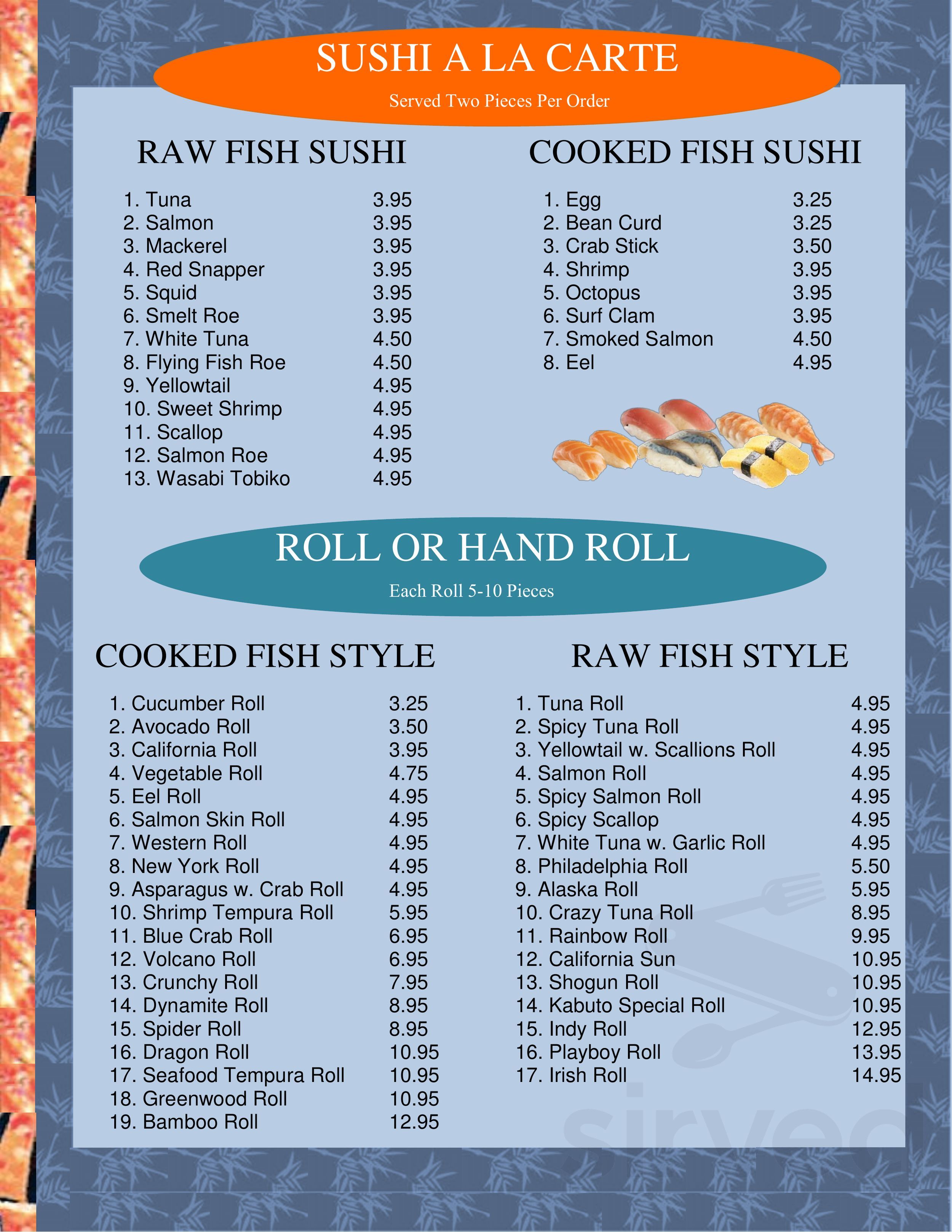
Kabuto Japanese Steakhouse and Sushi Bar Charlotte

Table Of Content Sushi Menu Kabuto Japanese Steak House & Sushi Bar A New LA Sushi Omakase Is Served With the Gracefulness of a Japanese...